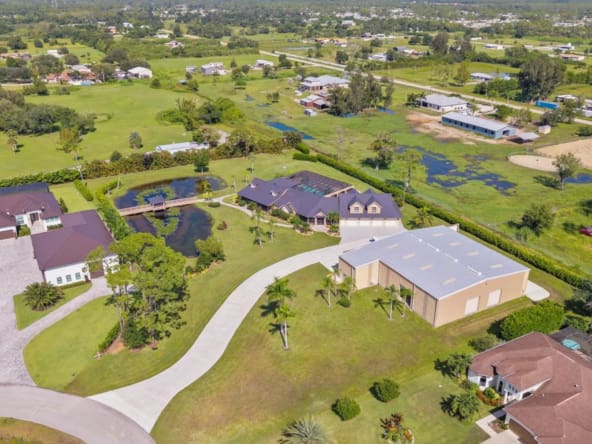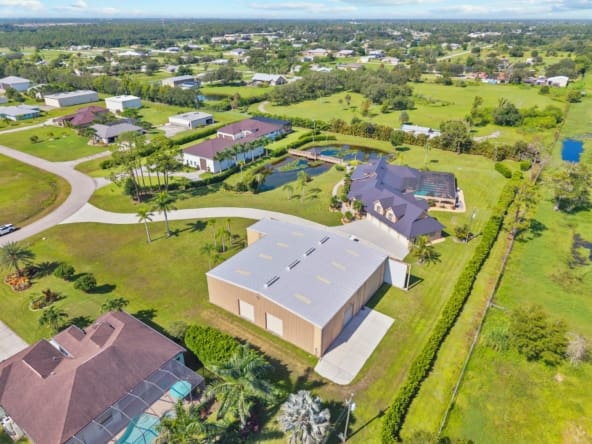
A hangar home concentrates a lot of value behind one very large door, and that door is the part most exposed to weather. Whether you are evaluating a property to buy or hardening one you already own, storm resilience comes down to a few decisions about siting, the door, and the envelope. Here is how aviators think it through.
| Quick Answer The three things that determine how a hangar home survives severe weather are the door’s wind rating, how the building is sited relative to prevailing winds, and how well the envelope sheds water and resists uplift. A door rated for your region’s design wind speed, a structure oriented to reduce broadside exposure, and sealed, well-drained construction matter far more than the home’s finishes. |
Why is the hangar door the weak point?
A hangar door can be 40 to 60 feet wide and two stories tall. That is an enormous sail. In high winds, pressure does not just push on the door, it tries to pull it outward through uplift, and a failed door turns the whole structure into a wind tunnel. Once air gets inside and cannot escape, internal pressure can lift the roof. This is why door selection is the first resilience question, not an afterthought.
What to check on the door
- Wind rating: confirm the door is rated to the design wind speed for the property’s location, not a generic number.
- Locking and retention: bifold and hydraulic doors should have positive retention so they cannot be peeled open.
- Seals: weather seals at the head and sides keep wind-driven rain out and reduce the pressure differential.
- Backup power: a door that only opens on grid power can trap an aircraft during an outage. A manual override or generator tie-in matters.
How does siting affect storm survival?
Two identical hangars can fare very differently in the same storm based on how they sit on the land. The goal is to reduce the broadside the structure presents to prevailing and storm-direction winds, and to keep water moving away from the slab.
- Orientation: where the layout allows, the long wall and door should not face directly into the dominant storm wind direction.
- Drainage: the slab should sit above grade with positive drainage on all sides so water never pools against the door track.
- Windbreaks: tree lines and terrain can help, but they should not be so close that falling limbs become the hazard.
When you are touring a property, ask which way the worst weather comes from and look at where the door faces. It tells you a lot in thirty seconds.
What about the rest of the envelope?
Beyond the door, resilience is about keeping the building sealed and the roof attached. Metal hangars are durable, but the details decide the outcome.
Roof and connections
Uplift fails at connections, not in the middle of a panel. Properly fastened roofing, rated connections between roof and walls, and a continuous load path to the foundation are what keep a roof on. On an older hangar, this is worth a structural look before you buy.
Water intrusion
Wind-driven rain finds the door track, the panel seams, and any roof penetration. Good seals, intact flashing, and a slab that drains will keep the floor dry. A hangar floor that shows old water staining is telling you something about both drainage and seals.
What should aviators do before storm season?
- Confirm the door’s wind rating and test the manual override.
- Clear and inspect drainage around the slab so water moves away from the door.
- Inspect roof connections and flashing, especially on older steel structures.
- Have a plan for the aircraft: a sheltered hangar is only protection if the door holds and you can get the airplane in.
- Review your coverage, including any windstorm endorsement, before the first named storm forms.
Storm resilience is part of what makes one hangar home a better long-term asset than another, and it is easy to miss if you are only counting bedrooms. AV8 Realty evaluates aviation properties through an aviator’s eyes, door, siting, and envelope included. See current airpark homes and hangars at av8realty.com.